How Women’s Urinals Increase Revenue Per Event.
A Guide for Toilet Providers!

If you’re a toilet provider, you already know that organisers don’t just buy units: they buy outcomes.
They want smooth operations, happy attendees and above all, they want strong revenue per head.
Women’s urinals are often positioned as an equality win (which they are). But they’re also something else: a measurable commercial advantage.
Here’s how women’s urinals increase revenue per event, and how you can confidently sell that value to organisers.
1. Queues suppress spending, and women bear the brunt
Queues don’t just frustrate people: they suppress spending.
Eventbrite reports that long festival queues can significantly reduce attendee spend. In one example, 1,000 attendees who might have spent £88 each instead spent around £44 due to excessive waiting: a potential £44,000 shortfall from just a fraction of the crowd.
Accesso, a global queue management specialist, explains it clearly: queues “lock guest time”, and time is directly tied to revenue potential. The longer someone waits, the less time they have to buy food, drinks, merchandise, or experiences.
For event organisers, this translates to one simple equation:
Longer toilet queues = less time spent at revenue-generating stalls.
And at most events, women experience the longest waits. This isn’t anecdotal: it’s structural. Traditional cubicle-only layouts, combined with slower turnover and outdated toilet ratios, create predictable bottlenecks for female attendees. When half your audience is queuing significantly longer than the other half, the commercial impact compounds quickly.
It means:
- Missed headline moments
- Delayed or reduced food and drink purchases
- Lower per-capita spend across the day
Women’s urinals directly address this imbalance by increasing throughput without increasing footprint. More users per hour. Faster turnaround. Shorter peak-time queues.
The result?
- Reduced average wait times
- More balanced access across genders
- More time spent engaging, and spending, across the event site
For organisers focused on revenue per attendee, that shift isn’t marginal. It’s measurable.
And for toilet providers, it’s a powerful commercial argument: you’re not just reducing queues but returning valuable, spendable time back to the event.
2. Higher satisfaction = Higher spend (and re-booking)
Queue frustration doesn’t just affect mood… it affects behaviour.
Research into customer queue psychology consistently shows that long waits reduce satisfaction, lower likelihood of return, and damage brand perception. In competitive event markets, experience scores matter. Organisers track:
- Post-event survey ratings
- Social sentiment
- Re-booking intent
- Repeat ticket purchases
Long, unfair toilet queues are one of the most visible operational failures at large events. Reducing them improves overall event perception. And satisfied attendees:
- Stay longer
- Spend more
- Come back next year
That’s recurring revenue: not just one-day income.
3. Reduced Labour and Operational Pressure
There’s a clear cost-saving argument here too.
Toilet congestion doesn’t just frustrate attendees: it absorbs staff time and budget. When queues grow dense, organisers often need to deploy additional:
- Queue marshals
- Security personnel
- Crowd management teams
- On-the-ground supervisors to manage complaints and incidents
At peak moments (between acts, after headline sets, or during interval breaks) toilet blocks can become operational pressure points. That pressure translates into more payroll hours, more coordination, and more risk management.
Women’s urinals increase throughput and reduce bottlenecks before they escalate. By improving flow, they help minimise:
- Manual “one-in, one-out” control systems
- High-density queue build-up
- Flashpoint moments during schedule changeovers
- Staff time spent resolving congestion-related issues
The result is smoother site management and better allocation of labour across the event.
For organisers, that means lower operational strain and improved cost efficiency.
For you as a provider, it positions your fleet as a solution that doesn’t just add capacity, it reduces pressure across the entire event infrastructure.
4. Safety, Liability and Reputation Protection
Dense, slow-moving queues are not just inconvenient, they can become safety risks.
Crowd science consistently shows that congestion increases the likelihood of crowd compression, trip hazards, conflict, and medical incidents. The UK’s Health and Safety Executive (HSE) highlights that high-density crowding requires careful management to prevent dangerous build-ups, particularly in areas with limited lighting, restricted movement, or poor flow design.
Event industry guidance following major crowd incidents also stresses that bottlenecks, especially around amenities, must be minimised to reduce risk exposure and operational vulnerability.
Toilet blocks are predictable congestion points. During peak changeovers, they combine:
- High emotional urgency
- Limited space
- Slow throughput
- Frustrated attendees
That mix can escalate quickly if not properly designed. Organisers today are increasingly focused on:
- Crowd safety compliance
- Formal risk assessments
- Insurance scrutiny
- Reputational protection in the age of social media
Reducing queue density isn’t just about comfort, it’s about proactive risk management. High-throughput women’s urinals reduce dwell time and disperse crowd pressure more efficiently than cubicle-only setups. Faster movement means fewer high-density build-ups and fewer operational flashpoints.
That’s not just operationally smart.
It’s commercially protective, reducing the likelihood of incidents, insurance complications, and negative headlines that can damage an event brand long after the gates close.
The Metrics Toilet Providers Should Lead With
When speaking to organisers, shift the conversation from “extra toilets” to “revenue and risk performance.”
Focus on measurable impact:
- Average queue time reduction: How much peak waiting time can be reduced?
- Throughput per hour: How many additional users can be served compared to cubicle-only setups?
- Time returned to event spend: How much additional attendee time is freed up for revenue-generating activity?
- Labour hours saved: Reduced need for queue management staffing.
- Satisfaction uplift: Improved feedback and lower complaint rates.
This positions female urinals as infrastructure that drives ROI, not just compliance.
Why This Matters for Your Fleet
Toilet provision is competitive. Many providers offer similar stock. Organisers increasingly expect innovation.
Adding women’s urinals to your fleet allows you to:
- Differentiate in tenders
- Offer a revenue-enhancing solution
- Align with equality and sustainability goals
- Demonstrate commercial understanding of event operations
You’re no longer just supplying toilets. You’re helping organisers protect and grow event revenue.
The Bottom Line
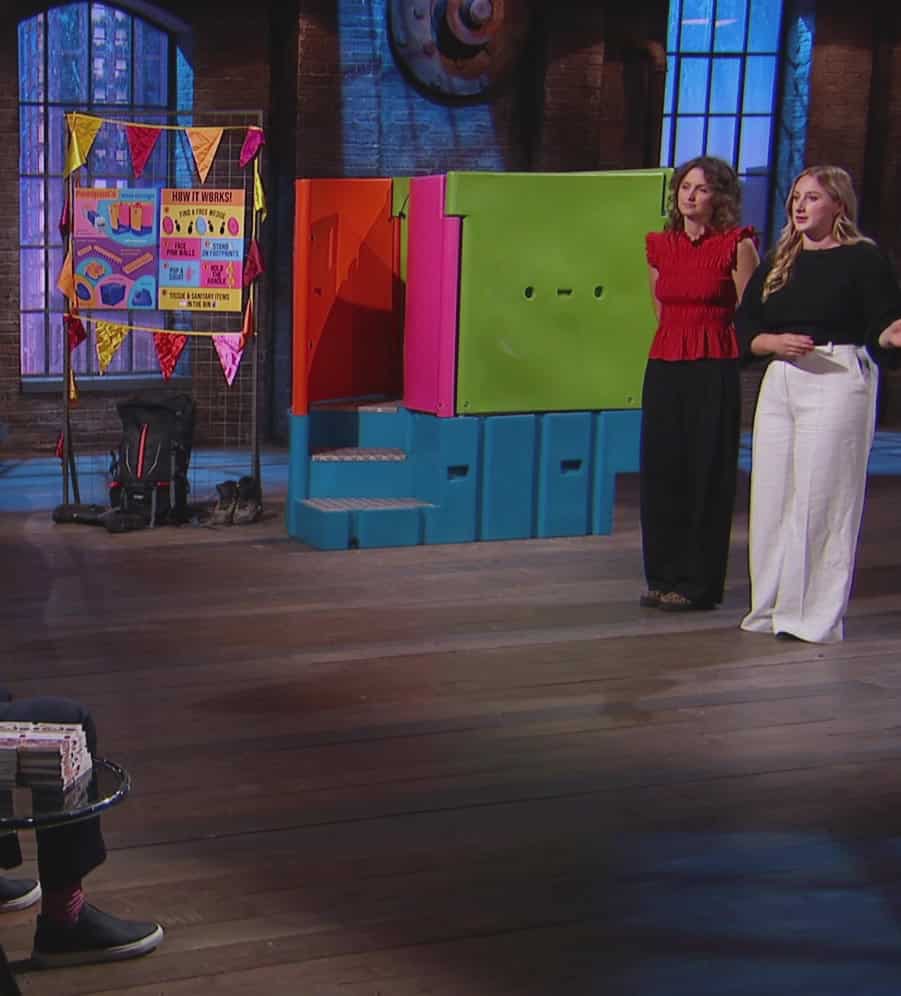
By introducing PEEQUAL’s female urinals to your fleet, you’re not simply adding more units: you’re adding measurable commercial value.
The events industry is evolving. Expectations around equality, efficiency, and experience are rising. Providers who evolve with it will stand out.
If you’re ready to strengthen your fleet with a solution that improves revenue performance as well as user experience, speak to the PEEQUAL team about becoming a partner.