PEEQUAL vs Lapee: Choosing the Best Options for Women’s Urinals at Your Event
Planning sanitation for a festival, event or large public gathering? The choice of your infrastructure can have a major impact on queues, crowd flow and overall attendee experience. In this comparison, we break down how PEEQUAL and Lapee differ in design, logistics, privacy and operational performance, to help you understand the best option for your event.
Long toilet queues are one of the most common complaints at festivals, sporting events and large public gatherings, and women are disproportionately affected. Research shows women (and those who squat to pee) can be up to 34 times more likely to be waiting in line for a bathroom than men. One reason is infrastructure: men’s facilities typically include urinals alongside cubicles, allowing 20–30% more fixtures in the same space, while studies also show women spend around 1.5 times longer using toilet facilities on average.
At large events where thousands of people use the toilets at the same time, these differences quickly create problems. Long queues disrupt crowd flow, reduce time spent enjoying the event and place additional pressure on sanitation infrastructure.
In response, a new category of infrastructure has emerged: women’s urinals designed specifically for high-footfall environments. Two of the most widely recognised systems are PEEQUAL and Lapee. Both aim to reduce queues and improve access to sanitation for women and people who squat to pee, but they take different approaches in their design, logistics and intended use at events.
In this article, we compare PEEQUAL and Lapee side by side, examining how each system performs across design philosophy, queue reduction, transport logistics, user experience and servicing.
We’ll cover:
- Meet PEEQUAL and Lapee
- PEEQUAL vs Lapee: Which Women’s Urinal Is Best for Events?
- Design Philosophy: Two Different Approaches to Women’s Urinals
- Capacity and Queue Reduction at Events
- Transport, Logistics and Installation
- Privacy, Comfort and User Experience
- Servicing, Maintenance and Operational Efficiency
- Durability and Suitability for High-Footfall Events
- Which Women’s Urinal System Is Right for Your Event?
Without further ado…
Meet PEEQUAL and Lapee
Let’s start with some introductions.
What is PEEQUAL?
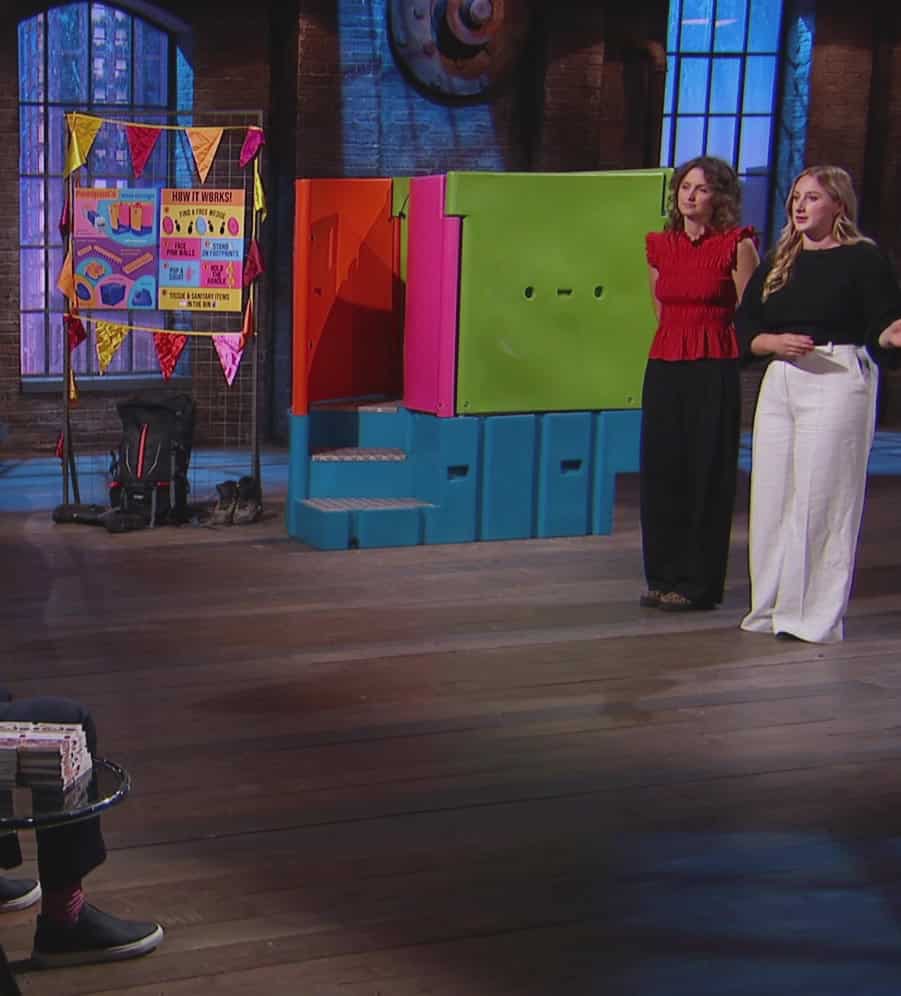
PEEQUAL is a women’s urinal system developed in the UK and designed specifically for high-footfall events such as festivals, sporting events and large public gatherings. The system allows users to squat and urinate without using a cubicle, helping to reduce queue times and increase sanitation capacity across event sites.
PEEQUAL has evolved through several versions, each shaped by real-world use at festivals and large events. The current design focuses on the things that actually matter on site: fast setup, efficient transport, good privacy and easy servicing for sanitation teams. And what matters to users: cleanliness, feeling safe and peeing with confidence.
The urinals are already used at major events, including large music festivals and mass-participation races, where organisers need to manage huge crowds while keeping toilet queues moving.
What is Lapee?
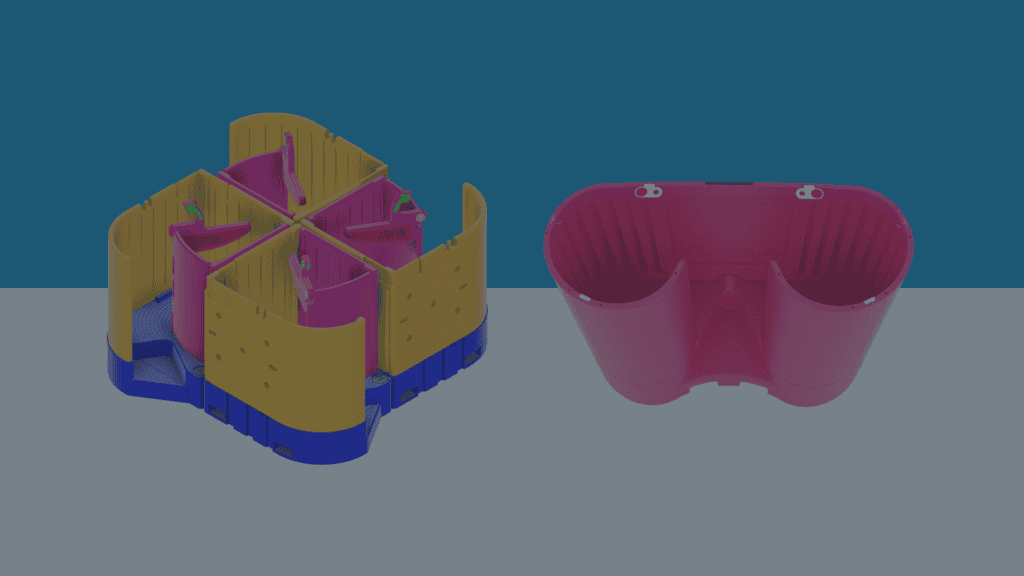
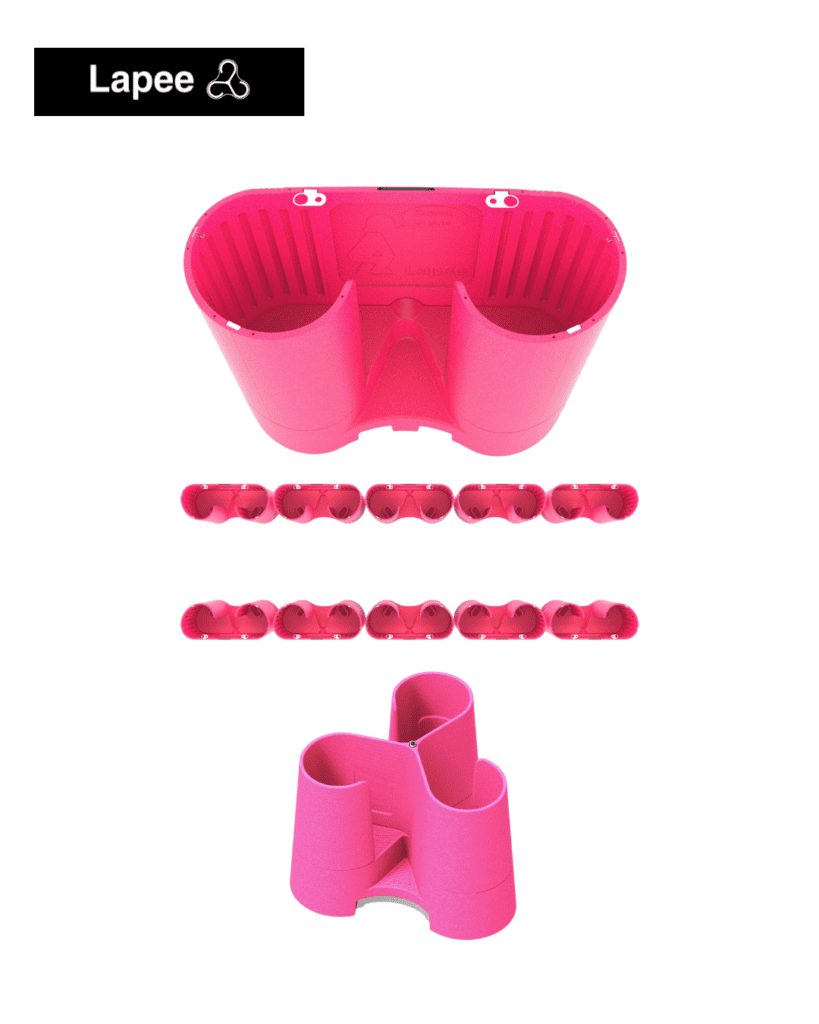
Lapee is a female urinal originally developed by architects in Denmark as a response to the lack of urination-only facilities for women in public spaces. Their latest product, the Dua, uses an S-shaped two-person unit that allows two users to squat simultaneously within a single structure, separated by a shared wall. Units are arranged across a site to increase sanitation capacity and provide a faster alternative to portable toilets.
Lapee has been used at festivals and events across several countries. The Dua is designed for straightforward on-site assembly and flexible placement, making it easy to introduce alongside existing toilet infrastructure.
While both PEEQUAL and Lapee aim to reduce waiting times and improve sanitation access, their design priorities and how they are intended to be used at events differ in several important ways.
PEEQUAL vs Lapee: Choosing the Best Option for Women’s Urinals at Your Event
Both PEEQUAL and Lapee aim to solve the same problem: long toilet queues for women and people who squat to pee at events.
However, the two products were designed with very different priorities, and those differences become particularly clear when looking at event scale, logistics and operational efficiency.
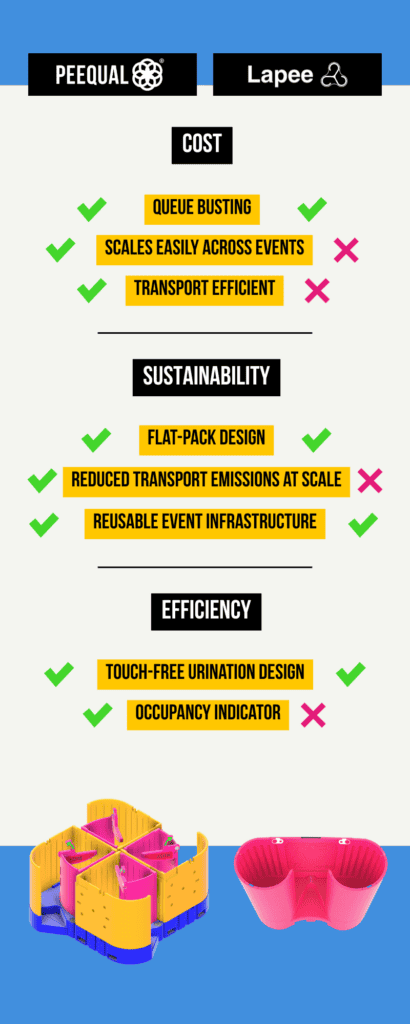
Below is a top-level overview of the key differences between the two systems. In the following sections, we break these areas down in more detail: examining how PEEQUAL and Lapee compare across design philosophy, queue reduction, transport logistics, user experience and operational servicing.
Key differences at a glance
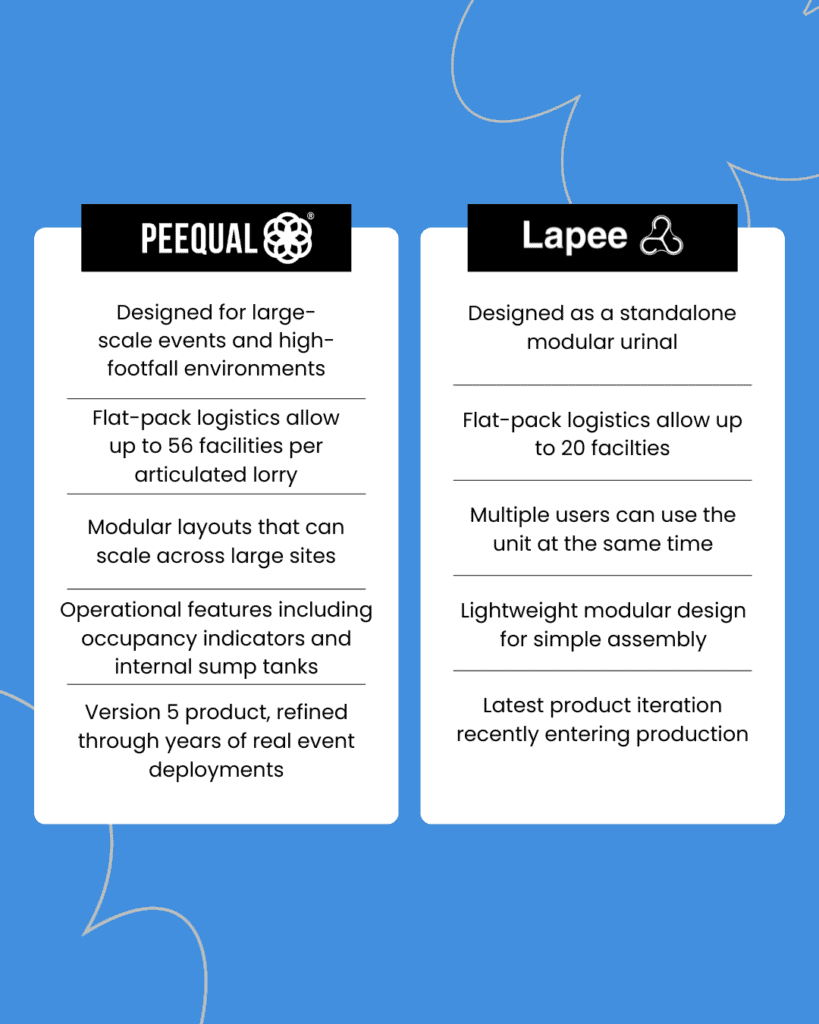
- PEEQUAL is designed for large-scale events. Its flat-pack logistics system allows up to 56 facilities to be transported on a single articulated lorry, enabling large deployments across festivals, marathons and major public events.
- Lapee’s Dua model is a two-person S-shaped unit, allowing two users to squat simultaneously within a single structure. Units are deployed individually and arranged across the site alongside existing toilet facilities.
- PEEQUAL includes operational features developed through real event deployments, including occupancy indicators, internal sump tanks for efficient emptying, and modular layouts that can scale across large sites.
- PEEQUAL is currently in its fifth product iteration, developed from years of installation, servicing and user feedback at events.
- Lapee’s latest product iteration is newly entering production, with a focus on lightweight assembly and simple modular construction.
In practical terms
- Smaller events may prioritise simplicity and a small number of standalone urinals.
- Large events often require sanitation systems that can scale efficiently, integrate with existing fleets and handle sustained high footfall.
This is where the design philosophy of the two products begins to diverge.
Design Philosophy: Two Different Approaches to Women’s Urinals
Although PEEQUAL and Lapee both aim to reduce queues for women and people who squat to pee, the products were developed with different design priorities in mind. These differences influence everything from how the units are installed on site to how they function during busy periods at events.
Lapee: A Simple, Standalone Urinal Concept
Lapee’s Dua model uses an S-shaped structure that houses two urinal stations within a single unit. Two users squat simultaneously, separated by a shared curved wall. The design is lightweight and built for straightforward on-site assembly, making it easy to position units around a site alongside existing toilets.
The back of each unit faces outward to help limit visibility from passing pedestrians. The overall approach prioritises simplicity and ease of deployment, particularly for events looking to add a small number of urination-only facilities without significant infrastructure changes.
PEEQUAL: Infrastructure Designed for Event Operations
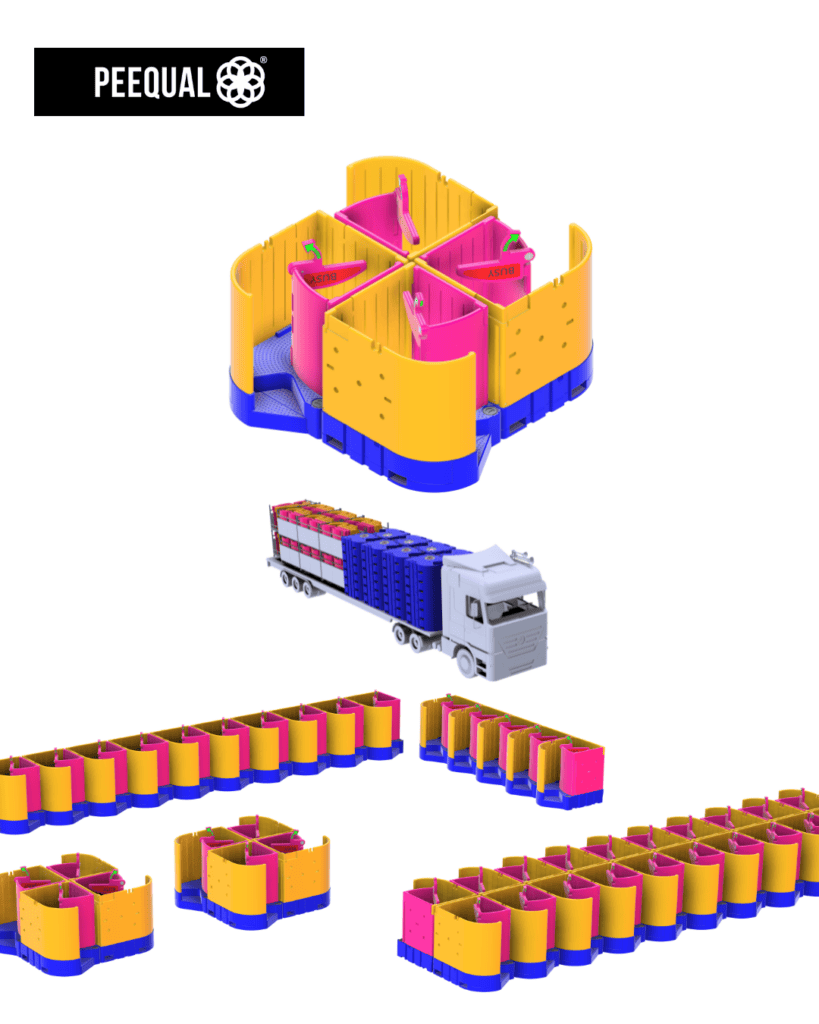
PEEQUAL’s system was developed with input from sanitation teams and event organisers managing thousands of people at peak times. Instead of a single structure, PEEQUAL uses multiple urinal stations that can be arranged in flexible layouts, such as circles, rows, or back-to-back, depending on the site.
The design has evolved through several versions based on real-world use at festivals and major events, and that on-the-ground experience shows. At events where both systems have been deployed, three things consistently set PEEQUAL apart: it’s cleaner, safer and more confidence-inspiring for users.
Cleaner by design: a no-splashback system keeps floors and legs clean, while integrated bin bag hooks and supplied hand sanitiser mean the space stays hygienic throughout the event.
Safer by design: a wraparound structure, occupancy indicators and flexible layout options create a semi-private space where users feel secure. And more confidence-inspiring: clear signage, intuitive foot placement markers and support handles mean first-time users know exactly what to do, turning curiosity into confidence.
PEEQUAL also offers optional plumbing assembly kits, allowing units to be connected and drained into a holding tank or sewage system. This makes it easier to manage waste across larger installations and integrate with existing sanitation infrastructure on site.
Capacity and Queue Reduction at Events
Both PEEQUAL and Lapee aim to speed things up, but they do it in different ways.
Lapee: Multiple Users Per Structure
Lapee’s Dua model is designed to be lightweight and modular, with on-site assembly and flexible placement. Units can be positioned alongside existing toilet blocks without requiring additional infrastructure, making it straightforward to introduce a small number of urinals to an event.
This approach prioritises simplicity and standalone deployment rather than integration into a wider logistics system: which can work well for smaller or simpler events.
PEEQUAL: Spreading Capacity Across a Site
- PEEQUAL takes a different approach. Instead of concentrating users around one structure, it spreads individual urinal stations across a larger area.
- Units can be arranged in circles, rows, or back-to-back, allowing organisers to scale installations depending on the size of the event. Features like occupancy indicators show clearly which stations are free or in use, giving users more confidence when approaching the facilities and removing uncertainty about availability.
- This visibility helps speed up queues by reducing hesitation, ensuring all units are used efficiently rather than being mistakenly assumed occupied. Because each user has their own space, people can enter, use the facility and leave quickly, helping maintain steady throughput when demand spikes.
Transport, Logistics and Installation
Toilets have to be transported, unloaded, moved across the site and installed, often within tight build schedules. When hundreds of units are involved, logistics quickly become a major part of event planning.
How easily a system can be transported, installed and moved around the site can have a big impact on both costs and efficiency.
Lapee: Lightweight Modular Units
Lapee offers different product designs, and it’s important to distinguish between them.
- The original Lapee unit is a larger, heavier structure, which can make it more difficult to move and position around an event site. More recently, Lapee introduced the “Dua” model, which is designed to be lighter and more modular, with on-site assembly and flexible placement.
- Because each unit functions as a standalone structure, organisers can position them alongside existing toilet blocks or sanitation areas without needing additional infrastructure. This can make it relatively straightforward to introduce a small number of units to an event.
- This approach focuses on simplicity and standalone deployment, particularly with the newer Dua model, rather than being designed as part of a wider, integrated logistics system.
PEEQUAL: Designed for Large Deployments
PEEQUAL takes a more logistics-driven approach, reflecting its development alongside large-scale event sanitation operations.
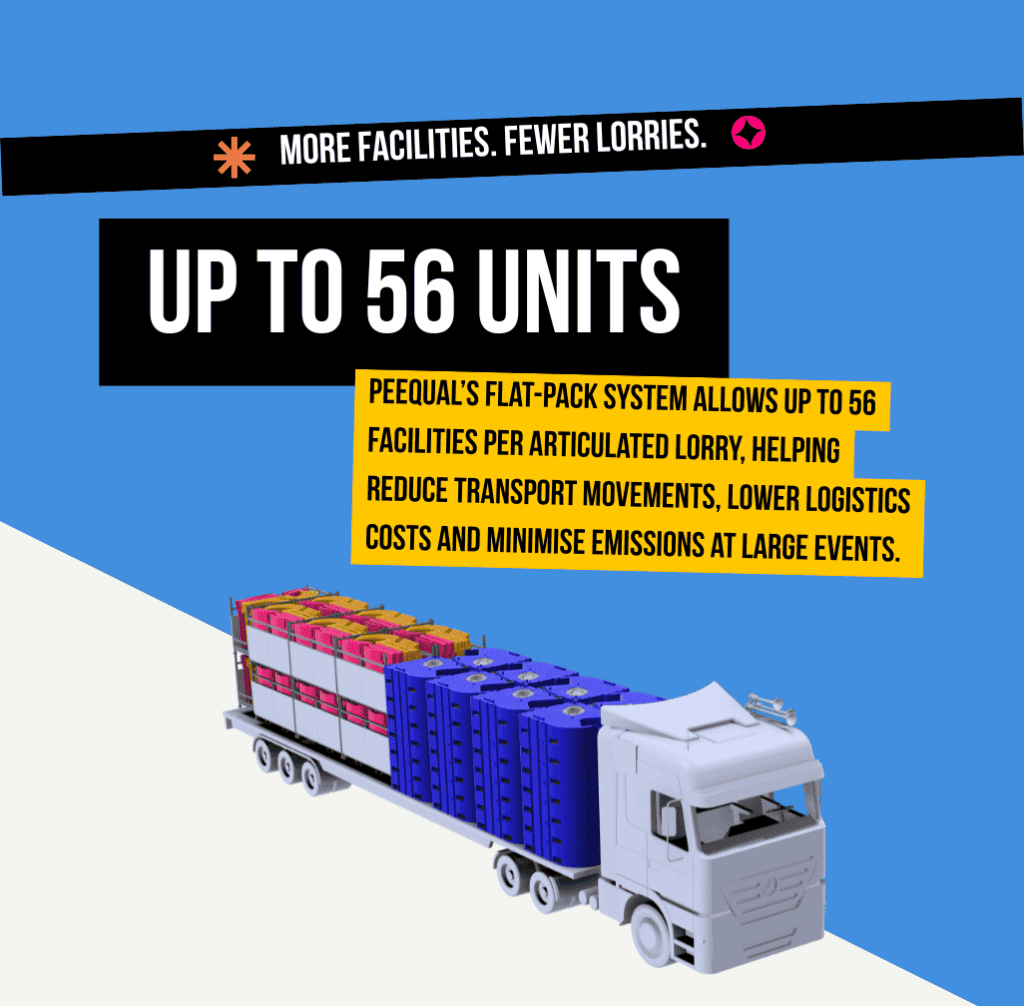
- The system uses a flat-pack design, allowing more units to be transported in each vehicle. For example, up to 56 facilities can fit on a single articulated lorry, reducing the number of transport movements needed for large installations.
- The tanks also include centrally positioned forklift pockets, allowing teams to move units safely across uneven terrain using equipment already common during event builds. Structural components, such as the walls, are transported in dedicated stillages, making it easier to move, store and manage large volumes of equipment between events.
- This focus on transport and handling is a key part of the system. By designing for efficient logistics from the outset, PEEQUAL supports faster build and break times and a more complete operational setup for large-scale events.
Privacy, Comfort and User Experience
For any sanitation system, people ultimately have to feel comfortable using it. If a facility feels confusing or exposed, many attendees will simply avoid it, which defeats the goal of reducing queues.
Because women’s urinals are still new to many event audiences, design choices around privacy, positioning and ease of use make a big difference to how widely they’re adopted. For many people, it’s their first time using one: and that first experience matters. A moment of feeling exposed, confused or uncomfortable is enough to put someone off. So getting the details right isn’t just good design, it’s the difference between someone walking away feeling empowered or walking straight back to the portaloo queue.
Lapee: Open Structure with Curved Walls
Lapee’s Dua model pairs two users within a single S-shaped unit, with each person squatting in their own station separated by a shared wall. Units are positioned with their backs facing outward to reduce visibility from outside the facility area.
Within each unit, the two stations share a line of sight, meaning users are in close proximity to one another. The design does not include occupancy indicators, so it isn’t always immediately obvious whether a unit is free or in use before entering.
The curved walls are designed to reduce direct sightlines from outside, but the shared interior means two users squat within the same unit. In practice, this can feel exposing : feedback from users suggests that the close proximity to the other person, and the shared line of sight as you stand up, can make the experience feel less private than expected.
PEEQUAL: Individual Squatting Spaces
PEEQUAL takes a different approach by giving each user their own squatting space. Users face a wall when using the facility, which provides more privacy and creates a more enclosed environment.
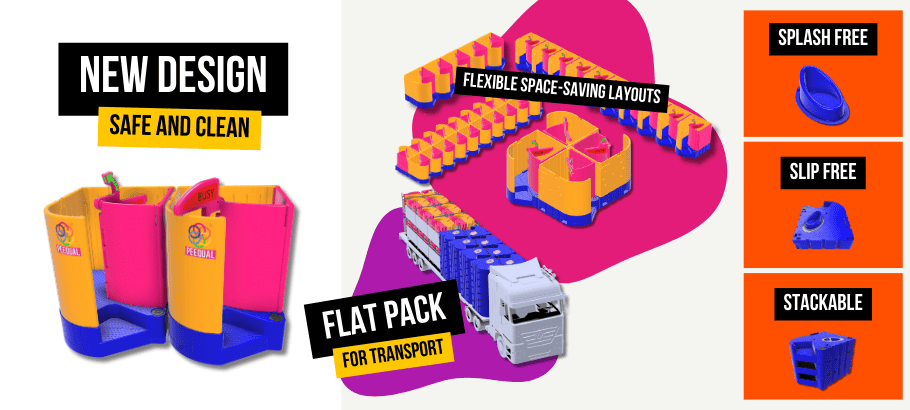
The design also includes features intended to make the experience straightforward and comfortable, including:
- Occupancy indicators showing whether a unit is free
- Support handles to help users balance while squatting
- Foot placement markers to guide positioning
- Anti-splashback design to keep legs and floor clean
- Integrated bag/clothing hook and bin for sanitary waste
These details help people understand how to use the facilities quickly, even if it’s their first time.
Servicing, Maintenance and Operational Efficiency
At busy events, toilets need to be cleaned, emptied and maintained throughout the day, often while thousands of people are still using them.
For sanitation teams, the design of a system can make a big difference.
Lapee: Standard Tank Servicing
Lapee units collect waste in a tank beneath the pedestal. Like most portable sanitation systems, the tanks need to be emptied periodically, depending on how heavily they’re used.
Servicing generally follows standard routines used across portable sanitation: tank emptying and general cleaning as needed during the event.
PEEQUAL: Designed for Servicing Efficiency
PEEQUAL puts more emphasis on making life easier for the teams managing facilities onsite.
The tanks include an internal sump that directs liquid toward the emptying point, helping ensure the tank can be fully emptied during servicing. Tanks can also be emptied from outside the unit, allowing crews to carry out tankering without interrupting users.
For larger installations, plumbing kits allow multiple units to be linked together, connected to a holding tank or plumbed into mains drainage dependent on existing site infrastructure. This helps balance capacity across an installation and can reduce how often tanks need to be emptied in busy areas.
Durability and Suitability for High-Footfall Events
At large events, sanitation facilities need to handle heavy use, unpredictable weather and repeated build-and-break cycles. Festivals, races and city events can attract tens of thousands of people, which can put a lot of pressure on toilet infrastructure throughout the day.
For organisers and sanitation teams, durability matters. Equipment needs to be stable, reliable and able to perform across multiple deployments.
Lapee: Lightweight Event Installations
Lapee’s Dua model is a modular structure designed for on-site assembly and flexible positioning around an event site. Units can sit alongside existing sanitation infrastructure without requiring major changes to site layout, which can work well for events looking to introduce additional urination-only capacity in a straightforward way.
PEEQUAL: Designed to Scale from Small to High-Volume Events
PEEQUAL has been developed for high-footfall environments where facilities may be used continuously by large crowds over several days, but the system is equally effective at smaller events where improving flow and reducing queues is still a priority for your crowd.
The modular design allows organisers to deploy a small number of units or scale up to large installations, depending on the size and demands of the site.
The system has evolved through multiple versions based on feedback from real event deployments. Structural components are designed to connect securely, supporting stable installations and repeated build-and-break cycles. Between events, units are stored in dedicated stackable stillages, protecting them from damage during transport and storage: and keeping them in service-ready condition season after season.
For toilet providers, that matters. PEEQUAL is built to be a long-term investment, not a one-season asset. Units are stackable by design, transported efficiently and robust enough to handle the realities of repeated deployment across different sites and weather conditions. The kind of durability that pays for itself over years, not events.
Which Women’s Urinal System Is Right for Your Event?
Both PEEQUAL and Lapee represent an important step forward in addressing the long-standing imbalance in event sanitation. By providing urination-only facilities for women and people who squat to pee, both systems help reduce queues, increase throughput and improve the overall experience for attendees.
However, both products are designed with different priorities and event environments in mind.
Lapee may be suitable for
Lapee’s lightweight, modular design can work well in situations where organisers are looking to introduce a small number of urination-only facilities alongside existing toilets.
For example, it may suit:
- Smaller festivals or community events
- Temporary installations where a limited number of units are required
- Sites prioritising the quick deployment of standalone structures
- Events where logistics and large-scale servicing operations are less complex
PEEQUAL may be better suited to
PEEQUAL has been developed specifically with large-scale, high-footfall events in mind. Its modular system, transport efficiency and servicing features are designed to integrate with sanitation fleets and event build processes.
This approach can be particularly effective for:
- Large music festivals and multi-day events
- Sporting events such as marathons and mass-participation races
- City events and large public gatherings
- Sites where sanitation providers need to deploy multiple units efficiently
- Events where logistics, servicing and throughput are major operational considerations
Because PEEQUAL is designed to scale across larger sites, it can help organisers add significant sanitation capacity while maintaining operational efficiency.
Explore PEEQUAL for Your Event
If you’re planning sanitation for a festival, sporting event or large public gathering and want to reduce queues while improving facilities for women and people who squat to pee, PEEQUAL could be the right solution.Learn more about PEEQUAL or speak to the team about your event.